 Beer Galaxy
Picon beer is made with 2 to 3 cl of Picon Bière (bitter-orange aperitif, 18 % vol.) for 25 cl of cold blonde beer — roughly 1/10 of the glass. The classic ratio is 2 cl Picon per standard demi. Recommended beers: Kronenbourg, Heineken or any light lager. An iconic recipe from cafés in Northern and Eastern France.
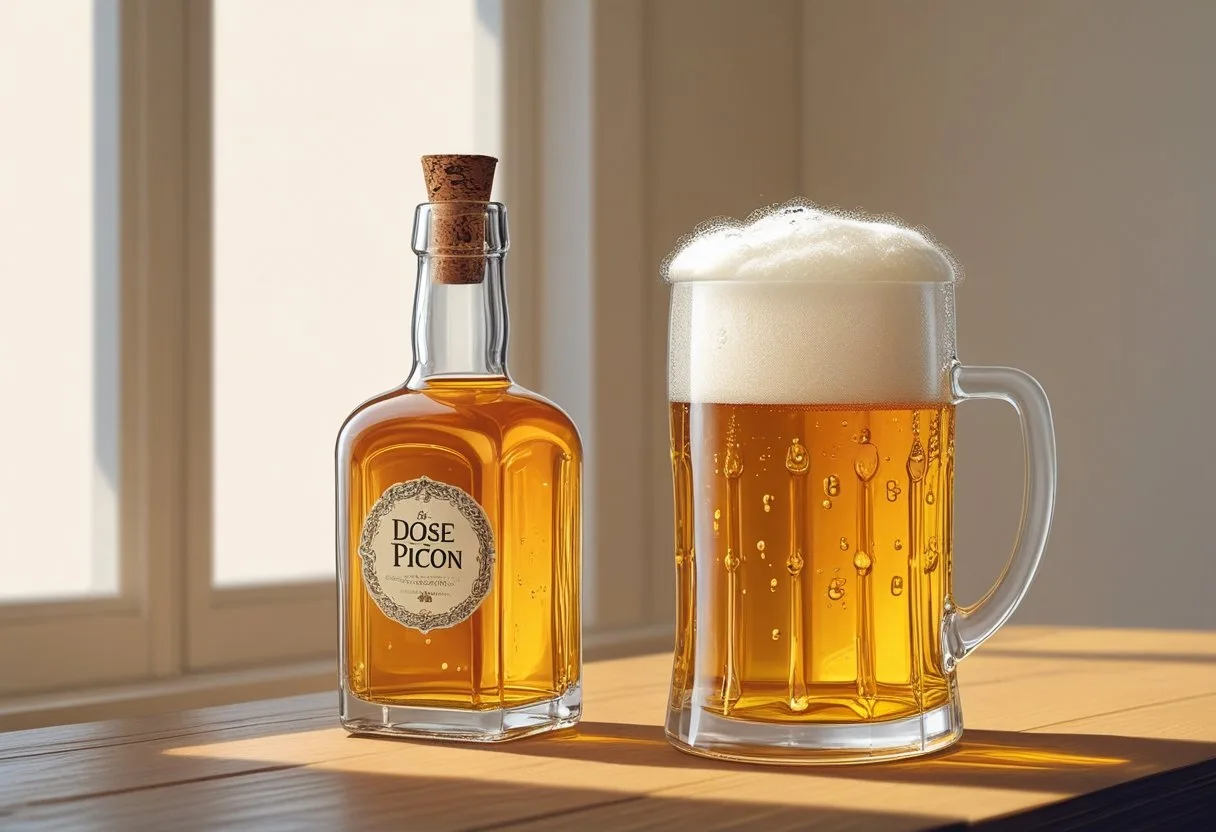
This ratio plays an essential role, as it determines the balance between the bitterness of the bitter and the lightness of the beer. Too much Picon can mask the taste of the beer.
Too little makes the drink bland. It is this happy medium that makes Picon beer so popular.
What is Picon beer?
Picon beer combines a light lager with Amer Picon, a bitter liqueur made from orange peel, gentian and cinchona bark. This combination produces a refreshing drink with a bitter and slightly sweet taste.
Origin and history of Picon beer
Gaétan Picon invented Picon in 1837 while serving in Algeria. He developed a bitter drink made from macerated orange peel to stimulate the appetite of French soldiers.
This concoction, initially called Amer Africain, quickly became a local success. After returning to France, Gaétan Picon set up a distillery in Marseille and developed Amer Picon.
The drink has become a popular aperitif throughout the country. Its alcohol content, which used to be 39%, has been reduced over time, altering its intensity.
The mixture with beer appeared in northern and eastern France. The aim was to soften the bitterness while retaining the aromatic character.
Picon beer has thus become a regional speciality, served in pubs and brasseries.
Special features of the cocktail
Picon beer is usually made with 2 to 3 cl of Amer Picon for a 25 cl glass of lager. Some people add a slice of orange or a few ice cubes to enhance the freshness.
This drink stands out for its balance between bitterness, orange notes and caramelised sweetness. It is quick and easy to prepare.
Its amber colour also gives it an appealing appearance. It is mainly consumed as an aperitif, particularly in northern France.
Its popularity stems from its conviviality and its direct association with regional café culture.
Differences from other aperitifs
Picon beer differs from other aperitifs in that it is always served with beer. While drinks such as pastis or kir are consumed on their own or with wine, Picon beer is based on a specific mixture.
The bitter taste of Picon, derived from gentian and cinchona bark, contrasts with sweeter aperitifs such as port or muscat. It is more similar to traditional Italian or German bitters, but retains a distinct French identity.
The alcohol content remains moderate as it is diluted in beer. This makes it different from aperitifs served neat, which are often stronger.
The ideal amount of Picon in beer
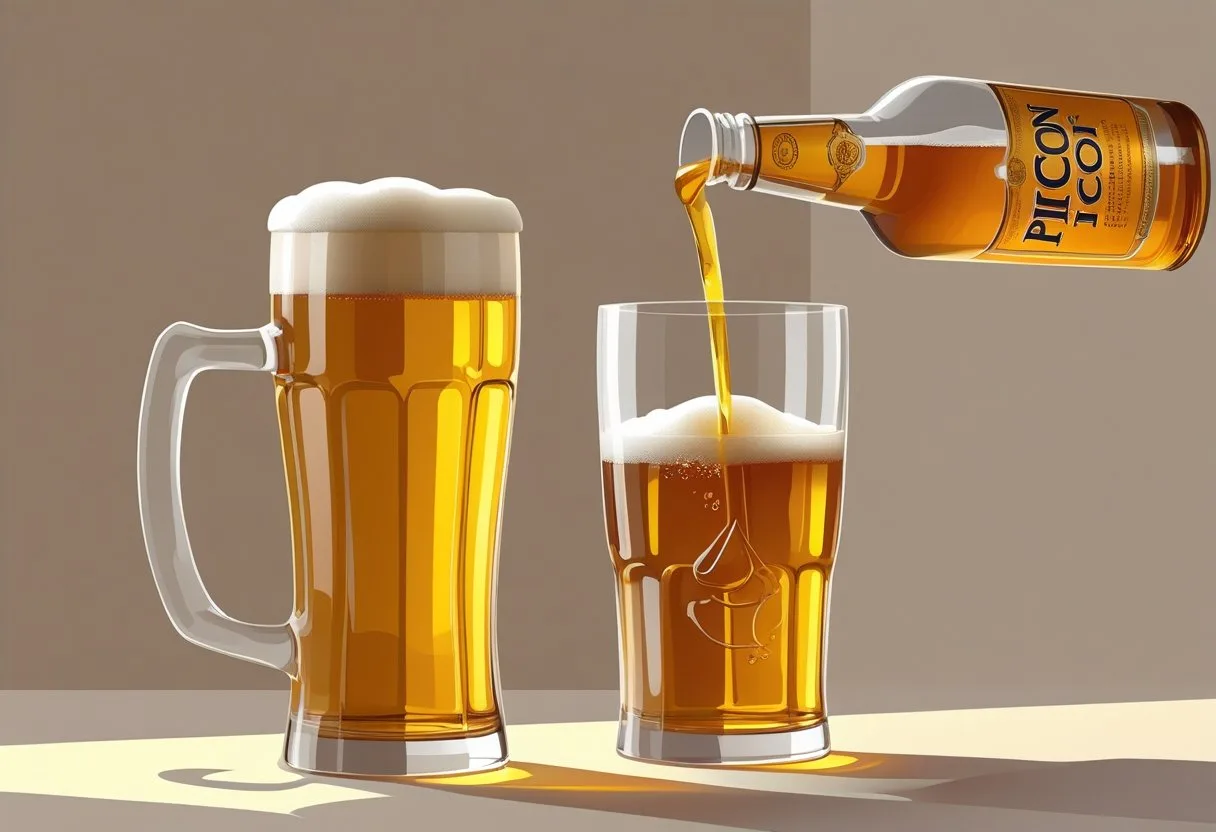
The amount of Picon added to beer depends mainly on the desired balance between the bitterness of the liqueur and the freshness of the lager. The quantity varies according to regional customs and the type of beer used.
Recommended standard proportions
Most enthusiasts use between 2 and 4 cl of Picon for a 20 to 25 cl glass of beer. This ratio preserves the freshness of the beer while adding the bitter and slightly sweet notes of Picon.
In Alsace, a common measure is 1 part Picon to 5 parts beer. This mixture provides a harmonious balance.
Others prefer a stronger mixture, with up to one-third Picon to two-thirds beer. This ratio greatly accentuates the bitterness.
The following table summarises the most commonly used ratios:
| Picon | Beer | Expected outcome |
|---|---|---|
| 2 cl | 25 cl | Light flavour, subtle bitterness |
| 3 cl | 25 cl | Classic balance, distinctive flavour |
| one-third | two-thirds | Intense bitterness, stronger cocktail |
These proportions serve as a basis. Everyone can adjust them according to their personal preferences.
Influence of beer type on dosage
The choice of beer alters the perception of Picon. With a pilsner, a light and dry beer, a moderate amount of 2 to 3 cl is sufficient to prevent the bitterness of Picon from dominating.
The freshness of the pilsner brings out the orange and gentian notes. With a kölsch, which is rounder and slightly fruity, you can use a little more Picon, around 3 to 4 cl.
This style better supports the aromatic richness of Picon without losing its balance. More malty or slightly sweet lagers, such as certain craft lagers, sometimes require a reduced dosage to avoid an overly heavy mixture.
Conversely, a very dry or very sparkling beer often requires an extra touch of Picon to ensure that its aromas remain noticeable. The type of beer chosen therefore determines the ideal amount of Picon.
Choosing the right beer for a successful Picon beer
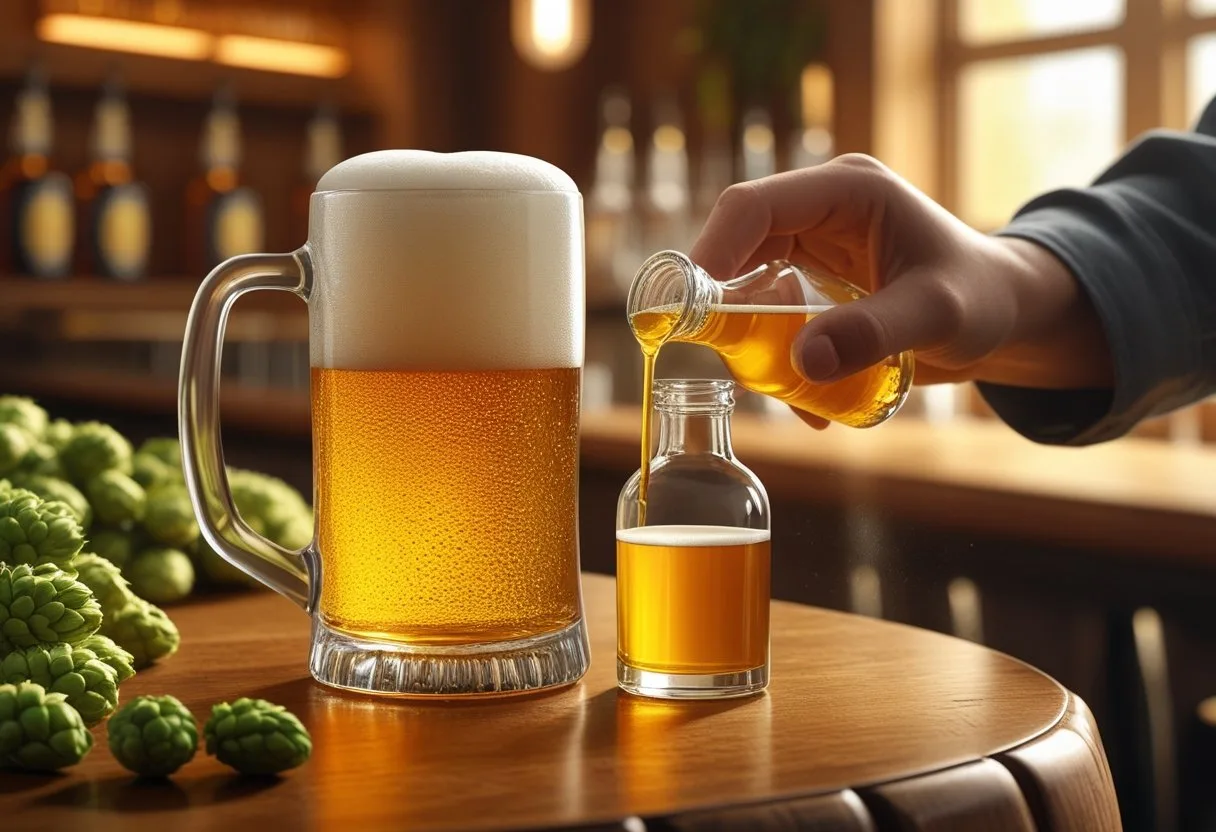
The choice of beer directly influences the balance between the bitterness of Picon and the freshness of the drink. A beer that is too strong can mask the aromas.
A beer that is too light may lack character.
Blonde, amber or brown beer
Blonde beer is the most common type used to make a Picon beer. Light and refreshing, it brings out the orange and caramel notes of Picon.
A blonde ale from Alsace or a light lager works particularly well for keeping a drink cool and easy to drink. Amber beer adds more roundness and a hint of caramel.
It is suitable for those looking for a slightly more malty drink without excessive bitterness. In this case, Picon retains its place but gains in aromatic depth.
Dark beer, which is milder than heavily roasted varieties, can also be used. A light dark beer adds notes of roasted malt and caramel, resulting in a richer blend.
Avoid overly powerful brown beers that would overpower the Picon.
Recommended styles: pilsner, kolsch, lager
Pilsner is the most recommended style. Its lightness, moderate bitterness and dry finish make it an ideal accompaniment.
It allows the Picon to fully express itself while remaining a refreshing drink. Kölsch, originally from Cologne, is another interesting option.
More fruity and slightly malty, it offers a subtle alternative to pilsner. Its delicate balance highlights the mild bitterness of Picon.
Classic lager, whether from Alsace or elsewhere, remains a safe bet. It is neutral, refreshing and easy to pair with food.
Some versions may also resemble a shandy, a mixture of beer and lemonade. This further emphasises the thirst-quenching qualities of Picon beer.
Preparation and serving techniques
To make a successful Picon beer, you need to measure out the Picon carefully and present the drink in a way that preserves its freshness and balance. The choice of glass and the way it is poured directly influence the quality of the tasting experience.
Preparation steps
Preparation begins with measuring out the ingredients. The most common ratio is 2 to 4 cl of Picon for approximately 25 cl of lager.
Some prefer one part Picon to two parts beer. This version gives a stronger, more bitter taste.
First pour the Picon into the glass. This liqueur, made from macerated bitter orange peel, gentian and cinchona bark, mixes better when the beer is added afterwards.
Serve the beer chilled, ideally between 4 and 6 °C. Tilt the glass slightly when pouring to limit the foam and maintain a pleasant texture.
To enhance the tasting experience, some people add a slice of orange or some zest. This detail brings out the citrus aromas present in Picon.
Recommended glasses and presentation
The choice of glass plays an important role. A Collins glass or a 25 cl straight beer glass is ideal.
This glass respects classic proportions and highlights the amber colour of the blend. A chilled glass better preserves the aromas and keeps the drink cool for longer.
When it comes to presentation, simple service is still appreciated. A slightly frosted rim or a discreet garnish such as a slice of lemon or orange adds a visual touch without masking the flavour.
In eastern France, Picon beer is often served in classic straight glasses without any unnecessary decoration. The emphasis is on conviviality and simplicity.
Variations and alternatives to Picon beer
Picon beer can be prepared in different ways depending on personal taste. Some add citrus or spice flavours, others replace Amer Picon with bitters or similar liqueurs.
Picon lemon and other additions
Picon lemon is a common variation that adds a livelier, more refreshing note. It combines the bitterness of Amer Picon with a hint of lemon, which softens the mixture with lager.
It is often found ready to use in shops. It can also be prepared by adding a dash of lemon juice or syrup.
Other additions personalise the drink. For example:
- Grenadine: adds a fruity sweetness and a redder colour.
- Cinnamon or sweet spices: create a warmer note.
- Fresh orange zest: enhances the citrus aroma in Amer Picon.
Substitutes for Amer Picon
Amer Picon remains difficult to find outside France. Several alternatives offer a similar bitter, orange flavour.
Orange-based bitters such as Angostura Orange Bitters or Fee Brothers offer a similar intensity. They mix well with lager, even though their alcohol content and aromatic concentration differ.
Italian bitter liqueurs such as Cynar (made from artichokes) or Aperol can also be used, as they provide a lighter bitterness and a similar colour. Campari, which is drier and more distinctive, can also be used as a substitute and gives the mixture a more powerful character.
Composition and flavours of Picon
Picon is distinguished by its base of bitter and aromatic ingredients, which give it its characteristic taste. It is prepared using a maceration process that concentrates the flavours and develops a balanced bitterness thanks to the presence of quinine.
Main ingredients
Picon is a bitter liqueur made from herbs and citrus peel. Bitter orange, used for its zest, adds fruity and slightly sweet notes.
Added to these zest notes are gentian and cinchona, two plants known for their bitterness. Gentian enhances the earthy depth, while cinchona adds a drier, more invigorating touch.
These ingredients are then combined with neutral alcohol. The addition of caramel and sugar syrup softens the bitterness and gives Picon its amber colour.
The result is a fruity, bitter and slightly caramelised liqueur. It pairs well with lager or wheat beer.
Role of maceration and quinine
Maceration plays a central role in the production of Picon. Orange peel, gentian and cinchona bark are steeped in alcohol to extract their aromas.
This process concentrates the essential oils. It also fixes the flavours in the mixture.
Quinine, derived from cinchona bark, is one of the most important ingredients. It gives Picon its distinctive dry bitterness, setting it apart from other flavoured liqueurs.
Sugar and caramel balance out this bitterness. Even when diluted in beer, it remains noticeable and gives Picon a strong identity.
What is Picon, exactly?
Picon is a French bitter liqueur made from orange, gentian, and cinchona bark, invented in 1837 in Algiers by Gaétan Picon. It comes in at 18% ABV and is known for its brown-orange color and intensely bitter profile. The recipe has evolved significantly over the decades: today’s version, produced by Diageo, is notably less bitter and lower in alcohol than the original — a change that explains why some enthusiasts seek out substitutes like Amer Boudreau or local artisan alternatives.
France is the only country where Picon bière is popular culture — particularly in the North, the East, and across Belgium. Elsewhere, Picon is either unknown or used in completely different cocktails (Picon Punch is a Basque-American tradition in the western United States).
Regional variations and substitutes
The standard 2–3 cl dose applies to a half-pint (25 cl). For a full 50 cl pour, increase to 4–5 cl. The beer choice matters: a light pale lager lets the Picon express itself fully; a wheat beer softens the bitterness through the wheat character; a strong amber can create an overload of bitterness if you’re not used to it.
Common substitutes when Picon isn’t available: Torani Amer (American version, slightly sweeter), Ramazzotti (more medicinal), Cynar (artichoke-based, very different but bitter). In Belgium, the similar tradition uses Elixir d’Anvers or Fernet Branca — different bitter profiles than Picon but the same gustatory function.
Frequently Asked Questions
What’s the ideal dose of Picon in beer?
Between 2-4 cl of Picon for 25 cl of beer, i.e. 8-16% of volume. Typical bar proportion: 3 cl for 25 cl (12%). Stronger doses (5-6 cl) become cloying from sweetness; weaker, the characteristic bitter orange notes disappear.
Which beer to use for Picon Bière?
A classic blond lager: Stella Artois, Heineken, Budweiser. The light bitterness of lager complements Picon’s bitter orange profile. Avoid distinctive beers (IPA, ambers) which clash with bitter orange notes. In Strasbourg, Météor is often used.
What’s the alcohol content of Picon Bière?
About 6.5% ABV for a classic mix (3 cl Picon at 18% + 25 cl beer at 5%). For comparison: beer alone = 5%, Picon alone = 18%. The mix remains drinkable but more alcoholic than expected. Count it as 1.5 standard drinks.
What’s the origin of Picon Bière?
Picon was created in 1837 in Marseille by Gaétan Picon, a French soldier stationed in Algeria. Originally a malaria remedy (based on bitter orange peel, gentian and cinchona), it became an apéritif in mainland France. The pairing with beer became popular in the 1900s in northern and eastern France.
Where is Picon Bière mainly drunk?
Very popular in northern France (Lille, Roubaix), the east (Strasbourg, Mulhouse, Metz), and Belgium. Less consumed in the south and west. In the US and UK: virtually unknown. In Germany, Berliner Weisse mit Schuss (with raspberry or woodruff syrup) is preferred.
🍻 Explore our beers
Over 1,000 craft beers listed, with a comparator and nutritional info.
Browse the full catalogue →