 Beer Galaxy

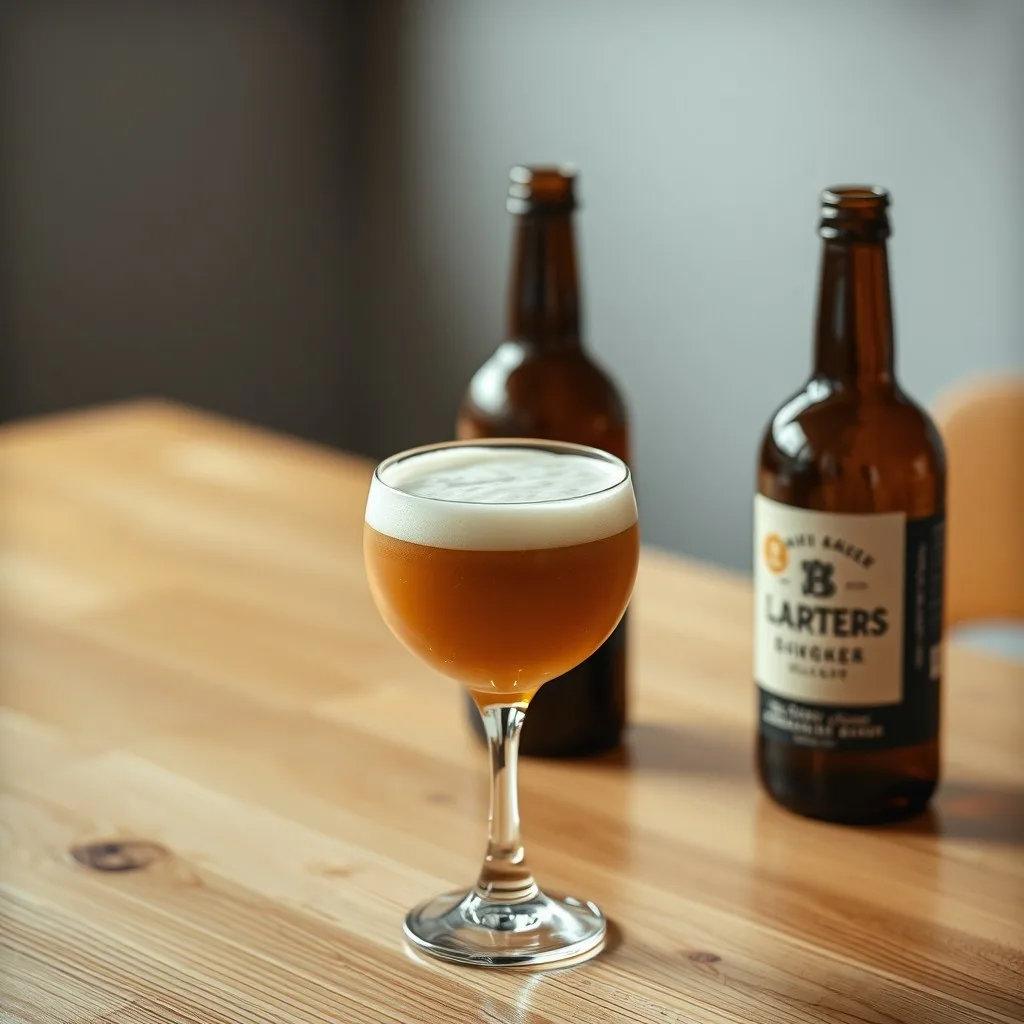
Christmas beers hit the shelves every autumn and are gone by January. This guide lists the ones you can find in France, says when they come out and what sets them apart. It will be updated in early November, when the brewers of Alsace and northern France present their 2026 releases.
What makes a Christmas beer
The tradition goes back to the 17th century. In autumn, brewers had to use up their stocks of barley and hops before the new harvest came in. They made one last brew, richer than usual, which they gave to their workers and their best customers. That is the origin given by Brasseurs de France, the French brewing industry body.
There is no set recipe. Still, the same traits come up from one beer to the next:
- a colour ranging from gold to mahogany, most often amber or brown;
- caramelised or roasted malts, which bring notes of caramel, gingerbread or dried fruit;
- spices (cinnamon, orange peel, coriander, liquorice) in many recipes, but not all;
- a higher ABV than the same brewer’s everyday beer: from 5.5% for the Alsace beers to 10% for some Belgians.
Brasseurs de France recommends serving them between 4 and 7°C. The strongest ones are better served a little less cold, so the aromas come through. To place these beers by colour, our page on amber beers covers the family most of them belong to.
When Christmas beers come out
According to Brasseurs de France, the selling season runs from mid-November to the end of December. The timing varies by origin, though.
- Belgium: from October. St-Feuillien launches its Cuvée de Noël in October, and N’Ice Chouffe is available from mid-October to mid-February.
- Alsace: early November. Alsace brewers present their beers together at a joint launch in Strasbourg. The 2025 edition was held on 5 November at the city hall. The 2026 date had not been announced at the end of September.
- Northern France: early November too. Brewers in the Hauts-de-France region hold a similar launch in Lille.
In practice, the Belgian beers turn up first, and the Alsace and northern French ones from those launches in early November. Runs are limited: it’s better to buy early than to wait for the last week.
Christmas beers from Alsace
Alsace is the French region where the tradition runs deepest. It was revived in 1985 by the Schutzenberger brewery. Every year since, Alsatian brewers have released their Christmas beer at the same time. The launch is organised by the Brasseurs d’Alsace, the City of Strasbourg and the Bas-Rhin association of hoteliers, restaurateurs and bar owners.
In 2025, fifteen breweries presented a beer there: Schutzenberger, Meteor, Brasserie du Vignoble, Pays Welche, Bendorf, Kronenbourg, Perle, La Fondation, Uberach, Heineken, La Mercière, Licorne, Saint-Pierre, Suff’Bier and Taal. Schutzenberger’s Christmas beer, missing since 2006, made its comeback, now brewed by the Brasserie de Schilick.
Two of them are easy to find outside Alsace:
- Meteor Noël (5.8%), from the Meteor brewery in Hochfelden. An amber beer with caramel tints. The brewery describes it as a traditional winter beer, with festive spices and orange zest, that stays light.
- Kronenbourg de Noël (5.5%). A copper amber that Kronenbourg presents with notes of roasted malt, macerated fruit and spice, and a honey and liquorice finish.
The Alsace beers are the easiest of the lot: around 5.5 to 6%, with restrained spicing. They drink like a beer to have with a meal.
Christmas beers from northern France
The north of France has its own tradition of bière de garde, and its Christmas beers take after it: stronger and rounder.
- Jenlain Brassin d’Hiver, from the Duyck brewery. The 2025 edition was 8% ABV, with orange peel and spices, according to Bière Actu. The recipe and the name change from year to year: the older “Jenlain Noël” beers were weaker.
- Anosteké cuvée d’hiver (8%), from the Brasserie du Pays Flamand. An amber with ruby tints, fruity and spiced, according to Rayon Boissons.
The Belgian classics
Belgium makes the strongest and most complex Christmas beers. Their high ABV also means they age better.
- Grimbergen Brassin d’Hiver (6.5%). A mahogany brown beer with notes of liquorice, ripe fruit and caramel, plus orange zest (official page). The name varies by country: “Brassin d’Hiver” in France, “Brassin de Noël” in Switzerland. The mildest of the Belgians on this list, and the easiest to find.
- St-Feuillien Cuvée de Noël (9%). A ruby brown beer, very aromatic, driven by spice and caramelised malts (brewery page).
- N’Ice Chouffe (10%), from the Achouffe brewery. A brown beer spiced with thyme and orange peel (official page).
- Delirium Christmas (10%), from the Huyghe brewery. A chestnut-coloured amber with caramel malt, fruity and spiced, where you can taste the alcohol (official page).
- Gouden Carolus Christmas (10%), from the Het Anker brewery in Mechelen. A ruby red brown beer with three hops and six spices. It is brewed in August, then left to rest for several months before release (official page). If you know Gouden Carolus Classic, this is its festive, spicier version.
The catalogue also has a page for Tournay de Noël, another Belgian seasonal beer.
A curiosity: Chimay Blue was born as a Christmas beer, brewed only for the holidays. It has been produced all year round since 1956.
In the supermarket
Retailers also sell Christmas beers under their own label, brewed by third parties they don’t always name. These are usually ambers around 5.8 to 5.9%, in the Alsace style. Lidl, for example, sells a “Bière de Noël” at 5.9% in packs of six 25cl bottles, according to its Open Food Facts entry.
Their recipe isn’t always spelled out on the label. To get to know the style, a brewery beer from Alsace such as Meteor or Kronenbourg de Noël, whose brewer describes the recipe, gives a clearer idea of what a Christmas beer is.
Which one to choose
- To go with a meal: an Alsace beer (Meteor, Kronenbourg de Noël). It’s light, so it won’t wear you out.
- To get into spiced beers: Grimbergen Brassin d’Hiver or Jenlain, rounder without being overpowering.
- For a tasting: a strong Belgian (St-Feuillien, Gouden Carolus, N’Ice Chouffe), to sip slowly, in small amounts.
- As a gift: several Christmas beers together in a gift set. Our guide to the Christmas beer gift set explains how to avoid disappointing ones. For someone who would rather make their own, there is also the home brewing kit. And to count down to the 24th, see our comparison of beer advent calendars.
Frequently asked questions
Is a Christmas beer always spiced?
No. Many are, but others get their festive notes from the malts alone: caramel, toast, dried fruit.
Can you keep a Christmas beer from one year to the next?
Strong Belgian ones, generally yes: their ABV and malts let them develop in the cellar, kept cool and out of the light. The lighter Alsace beers are best drunk within the season.
Why are Christmas beers stronger?
Tradition first: the end-of-year brew was richer than the others. Then because a maltier beer carries spices better and is drunk more slowly in cold weather.
Is there an alcohol-free Christmas beer?
Alcohol-free options are still rare and change every year. Look for “0.0%” or “alcohol-free” on the label: some “light” winter beers still contain alcohol.
The short version
The Belgian beers arrive in October, the Alsace and northern French ones in early November, and they’re all gone by January. For a meal, pick an Alsace beer; for a tasting, a strong Belgian. This guide will be updated in early November with the list of 2026 Alsace beers.
Please drink responsibly. ABV figures and descriptions come from the brewers’ pages or the press cited; they may change from year to year.
Sources
- Dossier Bière de Noël 2019 – Brasseurs de France (Brasseurs de France)
- Meteor Noël | Bière de Noël aux notes d'agrumes et d'épices (Brasserie Meteor)
- Kronenbourg de Noël | Kronenbourg (Kronenbourg, official website)
- Brassin D'Hiver Grimbergen – Site officiel Grimbergen (Grimbergen, official website)
- Cuvée de Noël: the Belgian beer adds a touch of sparkle to winter – Brasserie St-Feuillien (Brasserie St-Feuillien)
- St-Feuillien Cuvée de Noël 12 x 33 cl (Brasserie St-Feuillien, online shop)
- N'Ice Chouffe – Chouffe (Brasserie d'Achouffe)
- Delirium Christmas | Delirium (Huyghe brewery / Delirium)
- Gouden Carolus Christmas – Het Anker (Het Anker)
- Blue – Chimay (Chimay abbey brewery)
🍻 Explore our beers
Hundreds of beers from around the world, each with style, ABV, bitterness (IBU), colour (EBC) and food pairings.
Browse the full catalogue →