 Beer Galaxy
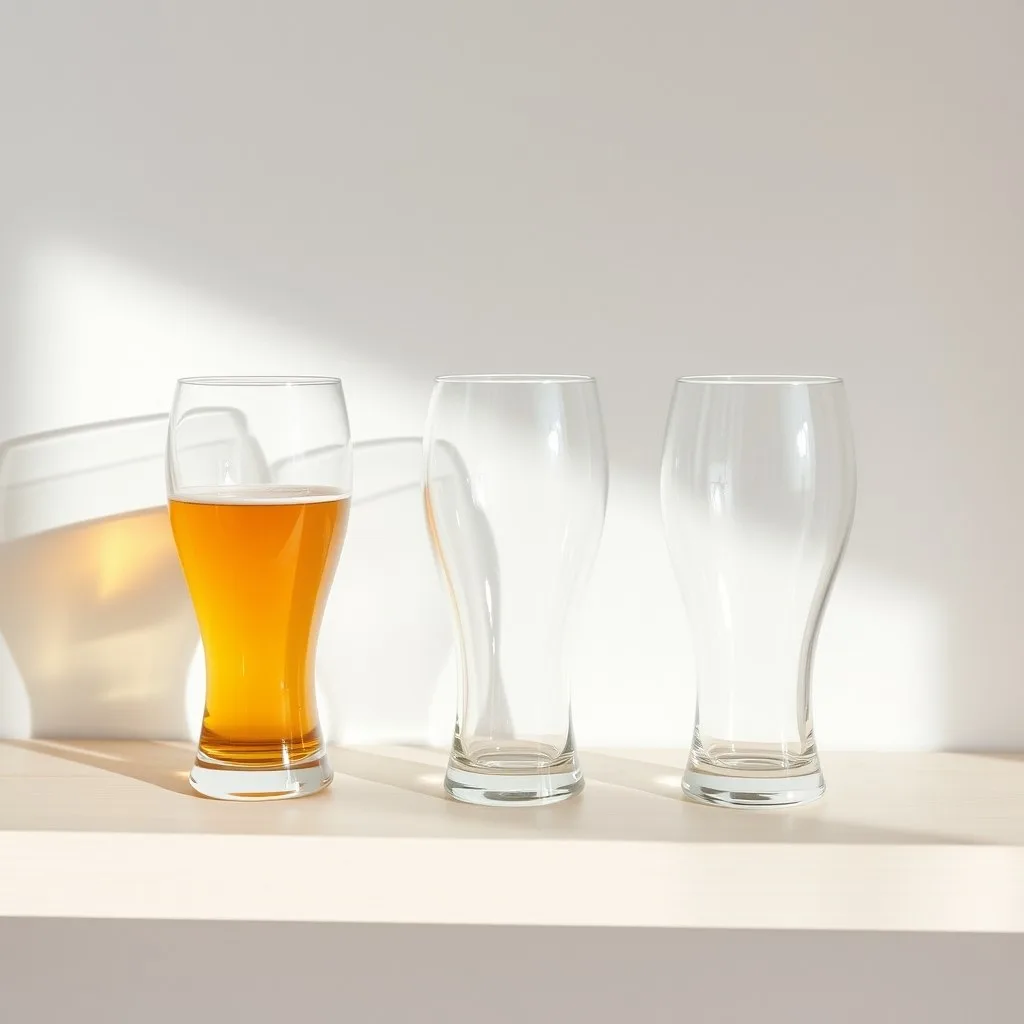
A beer gift set with a glass is only worth it if the glass suits the beers inside. That single point separates a useful present from a glass that ends up at the back of a cupboard. Plenty of supermarket sets pair a generic tankard with six beers of different styles, which makes no sense: an IPA and a wheat beer are not drunk from the same vessel.
This guide covers which glass goes with which style, how to spot a coherent set before buying, and what to expect at each price.
Why glass shape changes the taste
This is not brewers’ folklore. Shape affects three measurable things: head retention, aroma release, and how much surface meets the air.
A glass that flares outwards lets volatile aromas escape. One that narrows at the rim concentrates them under your nose. On a very aromatic beer like an IPA, the difference shows on the first sip. On an industrial lager it barely shows at all, which is why budget sets get away with a generic glass.
Three things change with the shape:
- Head retention. A tall narrow glass holds a head for minutes; a wide tankard lets it collapse in one.
- Aroma concentration. A narrowed rim keeps the aromatics under your nose, a flared one disperses them.
- Warming. A stemmed glass keeps your hand off the bowl; a full tankard warms faster.
Capacity matters too. A 330 ml bottle poured into a 250 ml glass forces a second pour, which kills the head. Check the glass in the set takes the bottle format supplied.
Which glass for which style
These are the pairings that come up most often. If the set you are looking at doesn’t say which glass it contains, that is information in itself.
| Glass | Beer style | What it does |
|---|---|---|
| Tulip | IPA, tripel, hoppy beers | The narrowed rim concentrates hop aroma |
| Chalice | Trappist and abbey beers | Wide opening, thick stable head |
| Pint | Lagers, ambers, stouts | All-purpose, the default glass |
| Weizen | Wheat beers, weissbier | Tall and narrow, holds an abundant head |
| Teku | All styles, tasting | The most versatile for sampling several styles |
Colour is a useful shortcut here: a set spanning a wide EBC colour range almost always spans real style differences too.
A set advertising a teku or tulip alongside a varied selection is coherent. A set with a 500 ml tankard and six 330 ml bottles of different styles is not.
The three formats of set with a glass
The UK market splits into three families, and they don’t suit the same people.
Discovery set with a single glass
Six to nine beers of varied styles, one glass. This is the most common and the cheapest format. The glass is usually a compromise, sometimes branded for a brewery that isn’t even in the box. Useful if the recipient owns no beer glassware at all.
One brewery with its matching glass
Three to six beers from a single brewery, with the glass that brewery uses. This is the most coherent format, because the glass was chosen for those exact beers. Guinness, Chimay, Leffe and Duvel all sell sets like this.
Multi-glass tasting set
Two to four glasses of different shapes with matched beers. More expensive, bulkier, and aimed at someone already interested in beer. It is the only format that lets you compare the same liquid in two glasses.
What each budget buys
| Budget | What you get | What to watch |
|---|---|---|
| Under £25 | 4 to 6 industrial bottles, a screen-printed glass | The glass is often the only lasting part |
| £25 to £40 | 6 to 8 beers including craft, a suitable glass | The most honest part of the market |
| £40 to £60 | Brewery set, official glass, sometimes numbered | Check the brewery genuinely appeals |
| Over £60 | Multi-glass, rare beers, wooden crate | You are mostly paying for the container |
The £25 to £40 band is where content and price line up most reliably. Below it, the glass is the only object that outlives the gift.
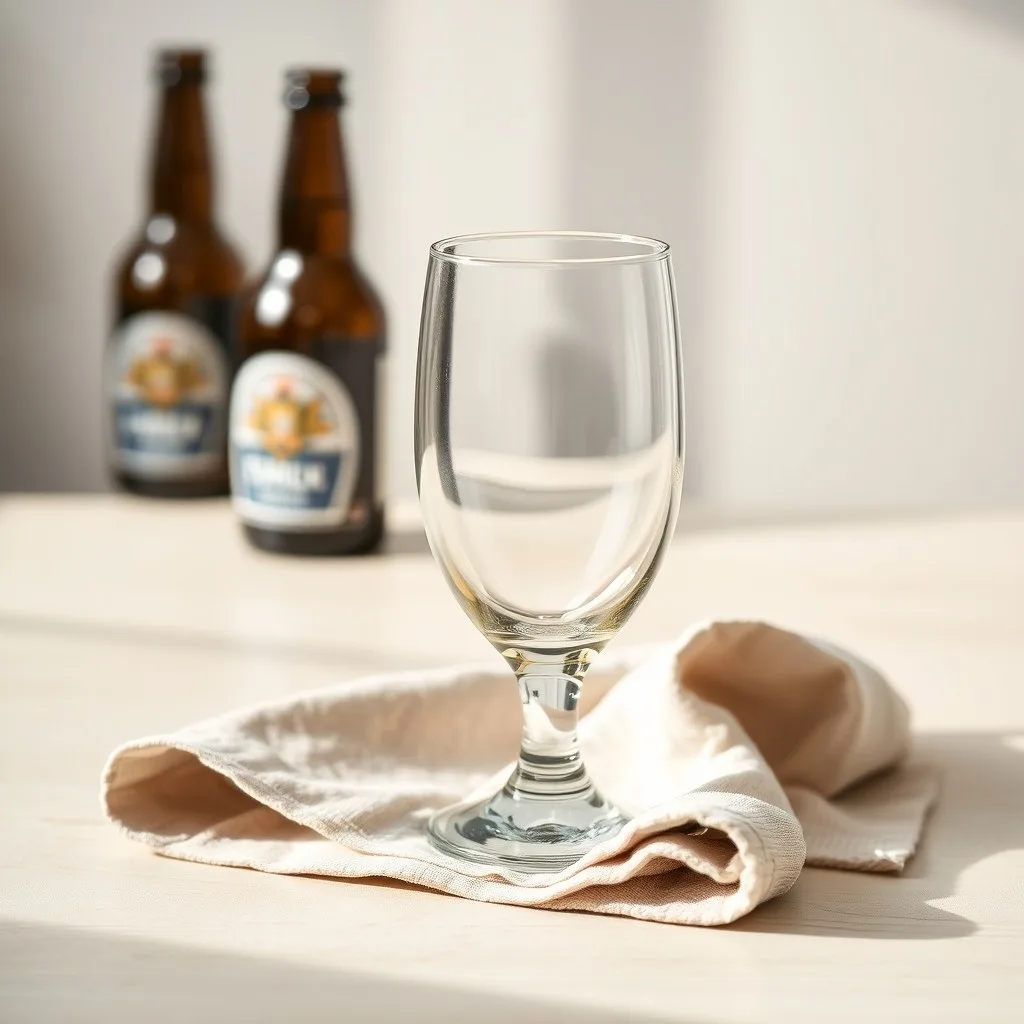
The default choice if they own no beer glassware.
£25 to £40 typically View on AmazonAffiliate link · indicative range, the live price shows on Amazon
The most coherent format: the glass was designed for these beers.
£30 to £55 typically View on AmazonAffiliate link · indicative range, the live price shows on Amazon
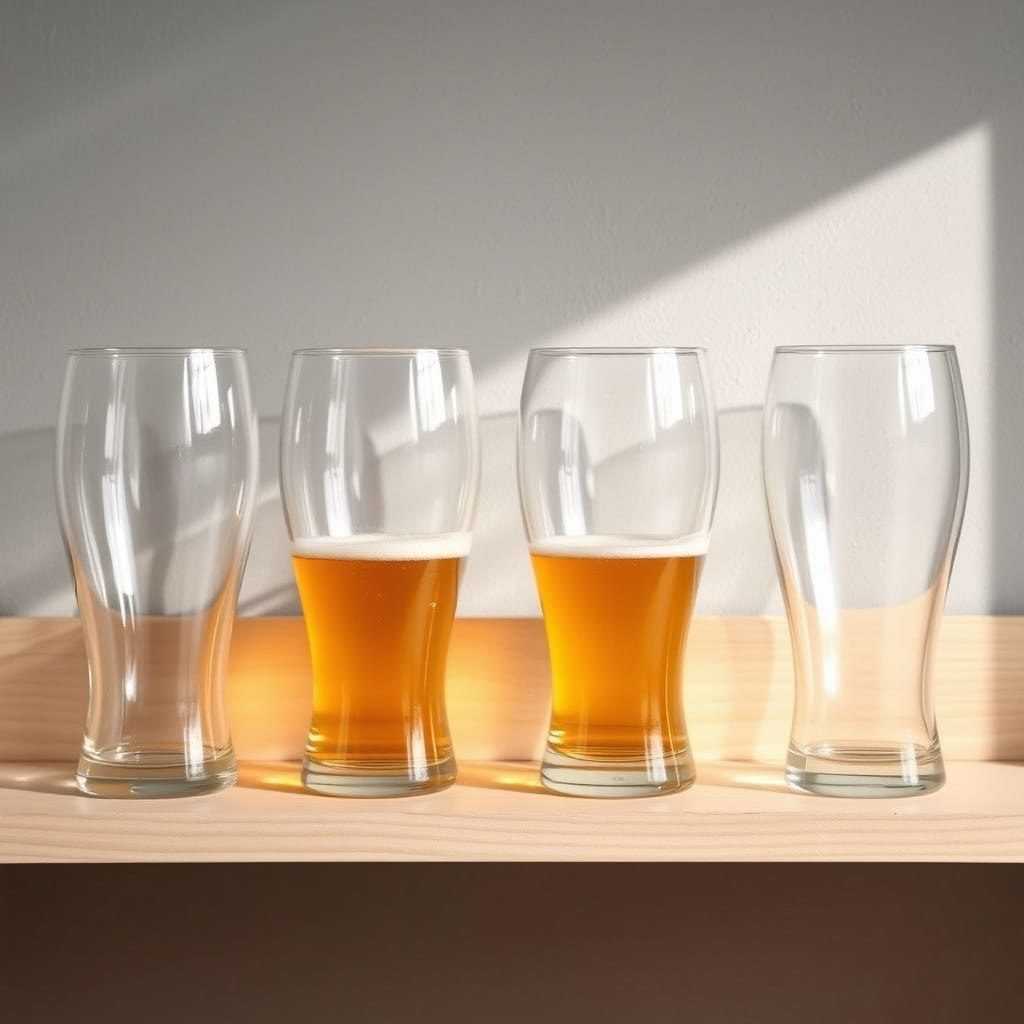
For someone who buys their own beer and wants the right glass.
£20 to £45 typically View on AmazonAffiliate link · indicative range, the live price shows on Amazon
Branded glasses, and the ones people collect
Some sets sell primarily on their glass, because certain breweries have a recognisable vessel. Four stand out in the UK.
Kwak. The stemmed coachman’s glass in its wooden stand, copied from an 18th-century design. It is bulky, unstable without the stand, and the most gifted of them all. Check the stand is included, some sets leave it out.
Leffe. A wide chalice on a short stem, suited to abbey beers. It is the most versatile on this list: it works for any Belgian blonde or amber, not just the brand.
Guinness. The tulip pint, tapered towards the rim to hold the roasted notes and the thick head. It works for any stout or porter, not only Guinness.
La Chouffe. A wide tulip, often sold with the red felt hat. The hat is decorative, not functional.
Collectable glasses
Plenty of enthusiasts collect brewery glasses, and that is a gifting angle in its own right. The logic is no longer about tasting but about the series: a missing glass is worth more than a technically better one.
Two precautions before buying on that basis. Ask what they already own, or you will give a duplicate. And be wary of reissues: a recent Kwak glass does not carry the same value as an older model for a collector, even though the vessel is identical.
Annual sets and end-of-year limited editions are aimed at this audience. They appear in September and sell through to Christmas, often in limited quantities.
Set with glass, or glasses bought separately
A set costs more than a glass bought alone, necessarily: you are paying for the beer too. The question is whether the glass in the set justifies that premium.
| Situation | Better choice | Why |
|---|---|---|
| They own no beer glassware | Set with a glass | They get the vessel and something to fill it |
| They already have decent glasses | Set without glass, or glasses alone | One more glass ends up in the cupboard |
| They collect | Brewery set | The glass is the point of the gift |
| You don’t know | Tasting glasses alone | A teku works with everything they already own |
One case is worth ruling out immediately: plastic beer glasses. They exist, they cost a few pounds, and they have a genuine use outdoors or at festivals. As a gift, they don’t work.
What supermarket sets are worth
Tesco, Sainsbury’s and Asda all put out a set with a glass in the run-up to Christmas, between £15 and £30. The contents follow much the same pattern every time: beers from breweries owned by large groups, and a glass screen-printed for one of them.
That is not a bad buy if you know what you are getting. The glass is usually fine, the beer is drinkable, and the price is low. Just don’t expect craft beer: the retail margin doesn’t allow it at that price.
One useful signal on the shelf: if the packaging doesn’t name the breweries, it is because they are not a selling point.
Buying for someone who already knows beer
A discovery set falls flat with someone who has drunk craft beer for years. They already own glasses, and they have probably tasted what is in the box.
Two angles work better. The first is a tasting glass on its own, teku or tulip, in a pair: it is the object most enthusiasts never buy for themselves. The second is a set from a brewery they don’t know, more often a small independent than a name seen in every supermarket.
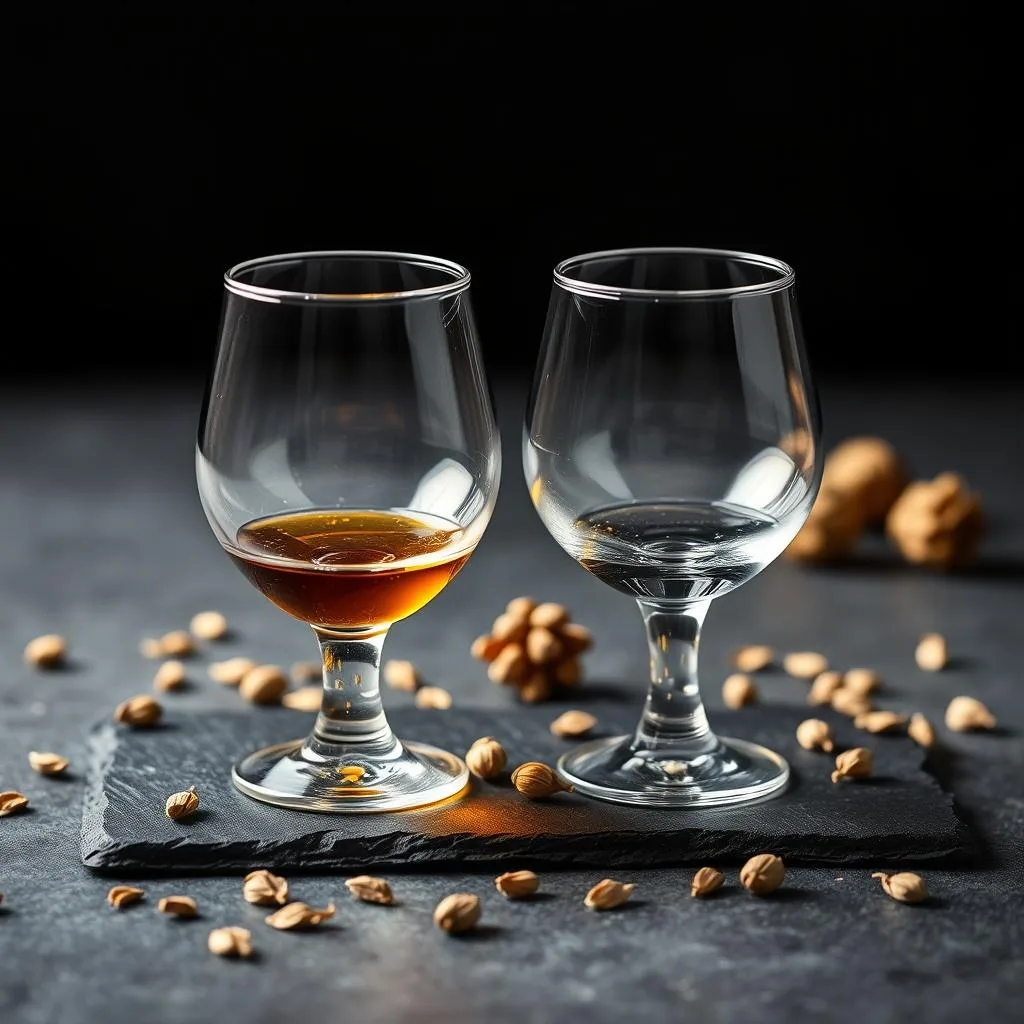
The object enthusiasts never buy for themselves.
£20 to £35 typically View on AmazonAffiliate link · indicative range, the live price shows on Amazon
Works if the engraving stays discreet. A glass covered in text gets shelved.
£15 to £30 typically View on AmazonAffiliate link · indicative range, the live price shows on Amazon
Mistakes to avoid, and caring for the glasses
Buying a 250 ml glass for 330 ml bottles. Pouring in two goes kills the head. Read the stated capacity, not the photo.
Taking a glass branded for a beer that isn’t in the set. Common in supermarkets, and obvious on opening.
Confusing a tankard with a pint glass. A handled tankard is heavy and holds the cold poorly over time. It suits simple beers, less so aromatic ones.
Giving an IPA set to someone who dislikes bitterness. IPAs are the most-gifted style and one of the most divisive. When in doubt, an IPA is a gamble; a blonde is not.
Keeping the glasses right
A poorly kept beer glass kills the head, and the culprit is almost always grease.
Fingerprints, washing-up liquid residue and tea-towel fibres leave an invisible film on the wall. That film bursts the bubbles on contact. Beer poured into a greasy glass goes flat in thirty seconds, however good it is.
Three rules cover it. Rinse in hot water without detergent after use. Leave to drain upside down on a rack rather than towel-drying. And avoid storing beer glasses alongside wine glasses washed with detergent, because grease transfers on contact.
For screen-printed glasses, expect a few dozen dishwasher cycles before the print fades. Etched or frosted glasses don’t have that problem, which explains part of their price.
Common questions
Is one glass enough for every style?
A teku comes close. It was designed for tasting and works reasonably from a lager to a stout. It is not the ideal glass for each style, but it is the best compromise if you only give one.
Are set glasses dishwasher safe?
Screen-printed glasses lose their print after a few dozen cycles. Etched or frosted ones hold up better. The packaging rarely says, which is itself a signal about quality.
Which capacity should I choose?
330 ml covers most British and Belgian bottles. A 500 ml glass mainly suits German beers and draught formats. Bottles of 750 ml are meant to be shared, so several glasses.
Is a set with a glass a good first beer gift?
Yes, provided the glass suits the beers supplied. That is the only point to check before buying, and it is the one product pages cover least.
Should a new glass be rinsed before use?
Yes, in clean water without detergent. A trace of washing-up liquid kills the head within seconds. New glasses often carry packing dust too.
What glass suits a Christmas beer?
Christmas beers are usually amber, spiced, and 7 to 9%. A chalice or tulip suits them better than a pint: the smaller evaporation surface stops the alcohol dominating the nose.
Can I put beer glasses in the freezer?
Better not. A frosted glass looks appealing but chills the beer below the point where aromas release, and any ice crystals dilute the head. Cool the beer, not the glass.
What to remember
The glass is the part of the set that stays. The beer is drunk in an evening, the glass serves for years. A £30 set with the right glass beats a £50 one whose glass matches nothing inside it.
If the glass is not your main criterion, our guide to choosing a beer gift set covers the other points worth checking.
If you are still hesitating, look first at what the person usually drinks, then at the strength of the beers in the set. A selection at 8% is not aimed at the same drinker as one at 5%.
Transparency: some links in this article lead to Amazon. As an Amazon Associate, I earn from qualifying purchases. This does not influence the advice given here and does not increase the price you pay.
Partenaire Amazon : en tant que Partenaire Amazon, je réalise un bénéfice sur les achats remplissant les conditions requises. Cela n’influence pas les conseils de cet article et n’augmente pas le prix payé.
🍻 Explore our beers
Over 1,000 craft beers listed, with a comparator and nutritional info.
Browse the full catalogue →