 Beer Galaxy
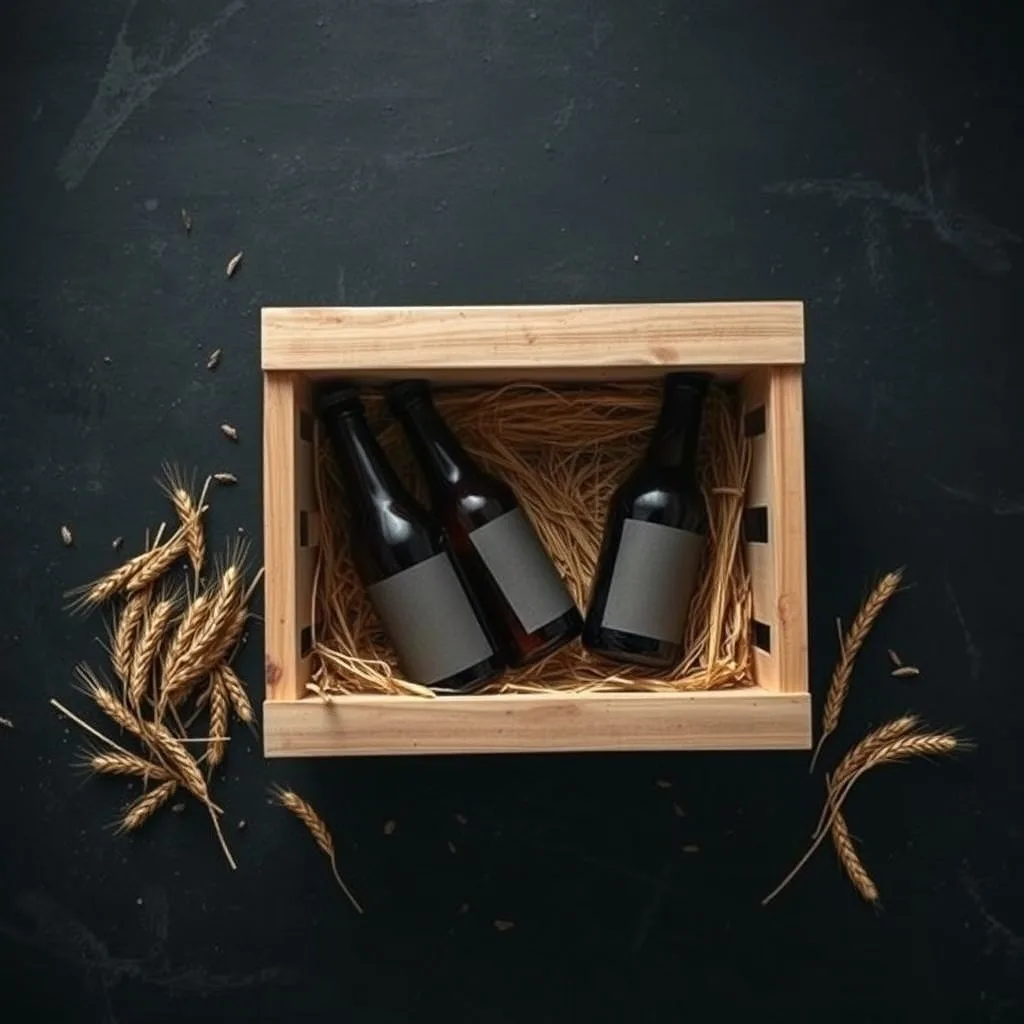
A good beer gift set holds 6 to 12 bottles across genuinely different styles, with a glass that suits them and tasting notes. Budget £25 to £40 for a decent set, £50 to £80 for independent breweries. The usual trap is the supermarket set under £20: six near-identical lagers behind six different labels.
What separates a good gift set from a bad one
The number of bottles matters far less than the distance between them. Six beers that taste alike teach the drinker nothing. Four well-chosen ones walk them across the whole brewing range.
Three things can be checked before buying, usually from the product photo alone:
- Style variety. A serious set names its styles: lager, amber, IPA, stout, wheat, tripel. The better ones also give the EBC colour. If it only says “6 golden ales” or “surprise selection”, there is a reason.
- Where the breweries are. Industrial sets draw from brands owned by one group. A craft set names its breweries, and you can check each one.
- The glass supplied. A generic glass adds nothing. A tulip for IPAs or a trappist chalice genuinely changes what you smell.
A fourth thing never appears on the product page: the brew date. An IPA loses most of its hop aroma in three to four months. If no date is given and the seller does not rotate stock, the most expensive beer in the box will also be the most disappointing.
What “craft” actually means on a box
“Craft” has no legal definition on gift packaging. It appears on genuine microbrewery beer and on brands owned by multinationals alike.
Three signs settle it in seconds. First, the brewery names: if they are missing from the box, that is rarely a good sign. Second, the place of production, which should be stated and specific. Third, the price per bottle, around £3 to £5 for real craft against £1 to £2 for repackaged industrial beer.
A £20 box holding eight bottles cannot be craft, the margin does not allow it. That is not necessarily a bad purchase, but the label is misleading.
Supermarket gift sets
Tesco, Sainsbury’s, Asda and Morrisons all sell beer gift sets, especially at Christmas. Their real advantages are price and availability. Their limit is almost always the same: the bottles come from a small number of brewing groups.
Two habits in the aisle. Turn the box over and read the breweries one by one. If all six beers share a bottler, that is packaging, not a selection. And compare the price per litre against the same bottles sold singly; the gap sometimes favours the singles.
That said, some Christmas sets do stand out, particularly regional selections built from genuine local breweries. The test stays the same: brewery names you can verify.
What each budget buys
| Budget | What you get | Who it suits |
|---|---|---|
| Under £20 | 4 to 6 industrial bottles, often from one group. No glass, or a generic one. | A small gift, with no pretence of discovery. |
| £25 to £40 | 6 to 9 beers in genuinely distinct styles, sometimes a decent glass. | The best discovery-per-pound ratio. The default choice. |
| £50 to £80 | 8 to 12 beers from named independent breweries, matched glass, tasting notes. | Someone who already likes beer and knows what they drink. |
| Over £100 | Limited runs, cellar beers, barrel-aged bottles. | A committed enthusiast. Check they haven’t tried it all first. |
For a sense of current pricing, the beer gift sets available online cover most of these brackets. Between £25 and £40 the step up is steepest. Below that you mostly pay for the box; above it you pay for rarity, which only means something to a trained palate.
The default choice when you don’t know their taste.
£25 to £40 typically View on AmazonAffiliate link · indicative range, the live price shows on Amazon
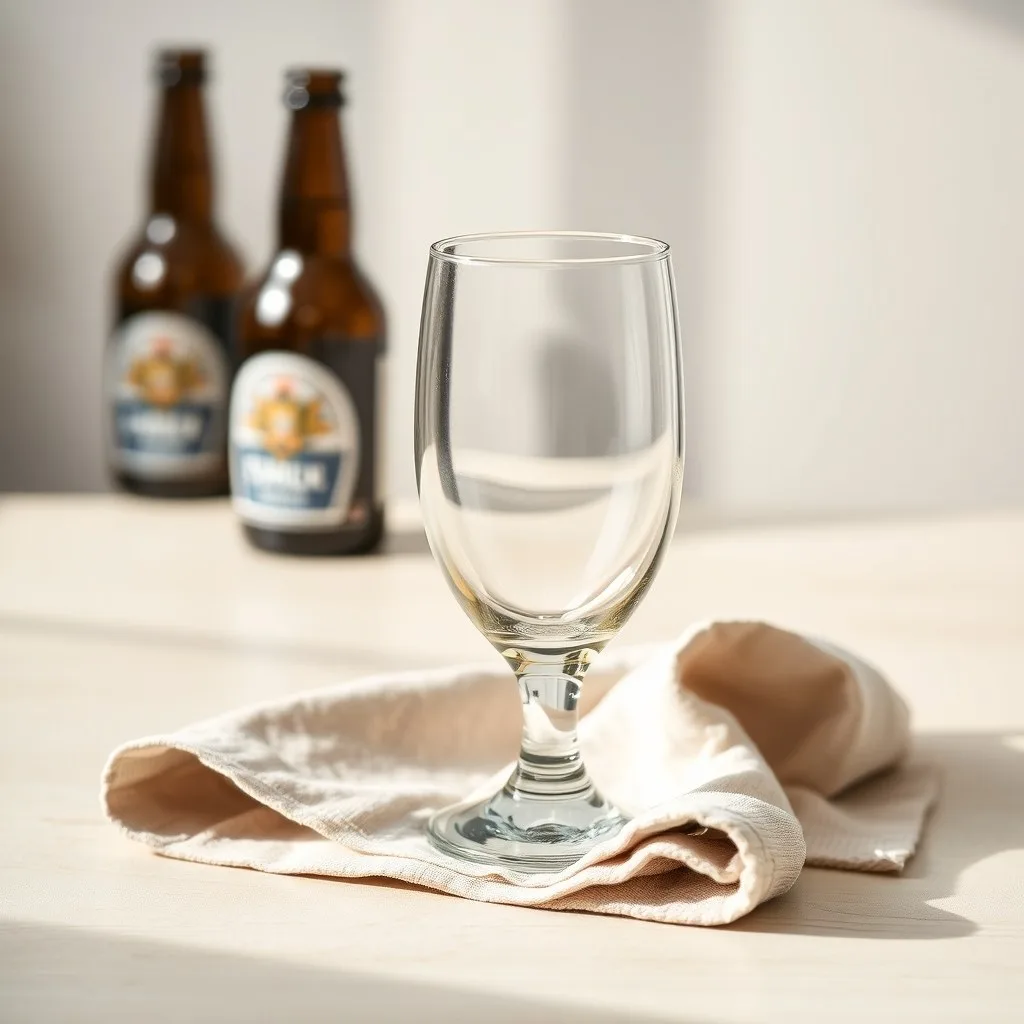
Worth it only if the glass suits the styles inside.
£30 to £50 typically View on AmazonAffiliate link · indicative range, the live price shows on Amazon
For someone who wants to learn, not just to receive.
£20 to £35 per month View on AmazonAffiliate link · indicative range, the live price shows on Amazon
Choosing by what they actually drink
A good set starts from the recipient’s taste, not from the promise on the box. Four profiles come up again and again, and each calls for a different selection.
They mostly drink lager. A set of Belgian blondes or craft pilsners is safe. Avoid “discovery” assortments that slip a stout and a sour in the middle; those will stay in the box.
They like bitterness. IPAs and pale ales are made for them. This is the one case where an all-hopped set is a good bet rather than a risk.
They drink little but are curious. A discovery set of six to eight varied bottles, with tasting notes if the maker includes them. Variety is the point here.
They already know their beer. Look for rarity rather than range: a small regional brewery, a limited run, or a format they wouldn’t buy for themselves.
Formats: single set, with glass, or monthly box
A set with a glass is useful on one condition: the glass has to suit the beers supplied. Shape genuinely changes aroma release and head retention.
- Tulip — IPAs and hoppy beers. The narrowed rim pushes aroma towards the nose.
- Chalice — trappists and Belgian tripels. Wide opening, holds a dense head.
- Straight pint — pilsners and lagers. Keeps it cold, does little for aromatic beers.
- Stout glass — stouts and porters. Tapered to hold the roasted notes.
Sets sold with their glass usually state the shape supplied. That is the detail worth checking before ordering.
The subject deserves its own guide: which glass to choose in a beer gift set covers the pairings style by style.
A set pairing a straight pint with an IPA is poorly thought out. A set with no glass but six well-chosen styles is the better buy; you can add the glass separately.
Monthly box or one-off set
A gift set is a finished present. A monthly box is a subscription delivering 4 to 8 new beers each month, at £20 to £35 a drop.
A subscription makes sense for someone who wants to learn: repetition builds reference points that a single box cannot. It makes less sense as a one-off gift, because it commits the recipient, sometimes with an auto-renewal they will have to remember to stop.
Beer subscription boxes run from one to twelve months. If you gift one, check two things: the real commitment period, and whether it can be stopped without a fee. Three months given is better than a year the recipient tires of by the second delivery.
Buying for someone who already knows beer
This is the hardest case, because a general assortment teaches them little. Three approaches work:
- A style constraint. A set devoted entirely to stouts, lambics or cellar beers beats a panorama. Depth interests them more than breadth.
- A precise origin. One region, or one brewery they haven’t tried yet.
- Local. Building the set yourself from a brewery near them carries more weight than anything off the shelf, and often costs less.
Depth over breadth, for someone who already knows what they like.
£30 to £45 typically View on AmazonAffiliate link · indicative range, the live price shows on Amazon
The format that reads as a present rather than a purchase.
£35 to £60 typically View on AmazonAffiliate link · indicative range, the live price shows on Amazon
Christmas beer gifts: what changes
Christmas is when most beer gift sets are sold, and it is also when the market is at its least honest. Seasonal packaging appears in September, and a good part of it is standard stock in a festive sleeve.
Two things genuinely differ at Christmas. Winter beers exist as a category, and they are worth seeking out: spiced ambers, winter warmers and strong dark ales sit between 6 and 9%, and they suit the season better than a summer pale ale. And advent calendars, which hold 24 small bottles, are a format of their own. They cost £45 to £80, and the per-bottle price is rarely competitive, but the daily ritual is the point rather than the value.
One practical warning. Stock on the better sets thins out from early December, and what remains in the last week is usually what nobody wanted. If the gift matters, order in November.
Alcohol-free gift sets
Alcohol-free brewing has changed substantially in the past five years. The old approach removed alcohol from finished beer and stripped the flavour with it. Current methods brew for low alcohol from the start, which keeps far more of the aroma.
This matters for gifting because an alcohol-free set is no longer a consolation prize. Full IPAs, stouts and wheat beers exist at 0.5% or below, and a set of them stands on its own. It is also the only safe choice when you don’t know whether the recipient drinks.
Check one thing on the box: whether it says 0.0% or 0.5%. Both are sold as alcohol-free in the UK, but only 0.0% suits someone avoiding alcohol entirely.
Mistakes to avoid
- Going all-strong. Six beers at 8-10% don’t get drunk in one evening. A good assortment mixes strengths. See our guide to beer strength.
- Ignoring storage. Hoppy beers are drunk young and kept cool. Strong and cellar beers take time well.
- Buying on the packaging. The smartest box sometimes hides the dullest contents. The reverse happens too.
- Overlooking intolerances. If the recipient avoids gluten, most sets are unusable. Our piece on gluten in beer covers the alternatives.
Storage and delivery
Beer degrades faster than people expect, and a set bought three weeks ahead can arrive diminished.
Two main enemies. Light first, which damages hops within hours behind a shop window; that is why bottles are brown. Heat second, which speeds oxidation. A set stored near a radiator for a month loses noticeable aromatic freshness.
The practical rule fits in one line: keep the box upright, cool, and closed until it is opened. Hoppy beers should be drunk within three to six months; strong dark beers and trappists keep for years.
If you have it delivered, check the seller packs in rigid inserts. One broken bottle ruins the set, and returns on this kind of product are slow.
Common questions
How many beers should a gift set contain?
Six to nine covers most cases. Below six the discovery is thin; above twelve the recipient rarely drinks them all while they are still fresh, especially with hoppy beers.
What should I budget?
£25 to £40 is where the ratio is best. Below £20 you mostly pay for the box, above £80 you pay for rarity that only a trained palate will notice.
How long does a beer gift set keep?
It depends on the styles. IPAs and hoppy beers: three to six months. Lagers and ambers: six to twelve. Strong dark beers, trappists and cellar beers: several years, and some improve.
Can I give beer to someone who doesn’t drink it?
Alcohol-free sets have improved considerably and now hold genuine styles, including IPAs and stouts. They are a real option rather than a fallback.
Gift set or glass on a small budget?
The glass. Under £20 a set gives you six ordinary bottles drunk in an evening, while a good glass lasts years and improves everything poured into it.
When should I buy for Christmas?
By late November. Seasonal editions land in September and the most wanted references sell out in the first half of December. Buying early also lets you store it properly rather than take what’s left.
What about the empty bottles?
Brewery bottles go in with normal glass recycling. The glasses and wooden supports included in some sets do not belong in that stream, and are worth keeping or passing on.
Are personalised beer glasses a good gift?
They work when the engraving is discreet. A name etched small on the foot lasts for years. A slogan printed large across the bowl gets used once and then stays in the cupboard.
What is a beer hamper, exactly?
A hamper pairs beer with something else, usually snacks, glassware or a wooden crate. It costs more per bottle than a plain set, and the extra buys presentation rather than beer. It reads as a present, which is sometimes the point.
What to remember
A good set passes three checks you can make before buying: the breweries are named, the price per bottle clears £3, and the assortment matches what the person actually drinks. Everything else is packaging.
If you are torn between two, take the one whose beer list you can read on the box.
Transparency: some links in this article lead to Amazon. As an Amazon Associate, I earn from qualifying purchases. This does not influence the advice given here and does not increase the price you pay.
Partenaire Amazon : en tant que Partenaire Amazon, je réalise un bénéfice sur les achats remplissant les conditions requises. Cela n’influence pas les conseils de cet article et n’augmente pas le prix payé.
🍻 Explore our beers
Over 1,000 craft beers listed, with a comparator and nutritional info.
Browse the full catalogue →