 Beer Galaxy
An IPA (India Pale Ale) is a top-fermented, heavily hopped beer, typically 5 to 7.5 % ABV, known for its pronounced bitterness (40-100 IBU) and intense hop aromas: citrus, tropical fruit, resin or pine. Originating in 18th-century England, it has become the flagship style of modern craft beer.
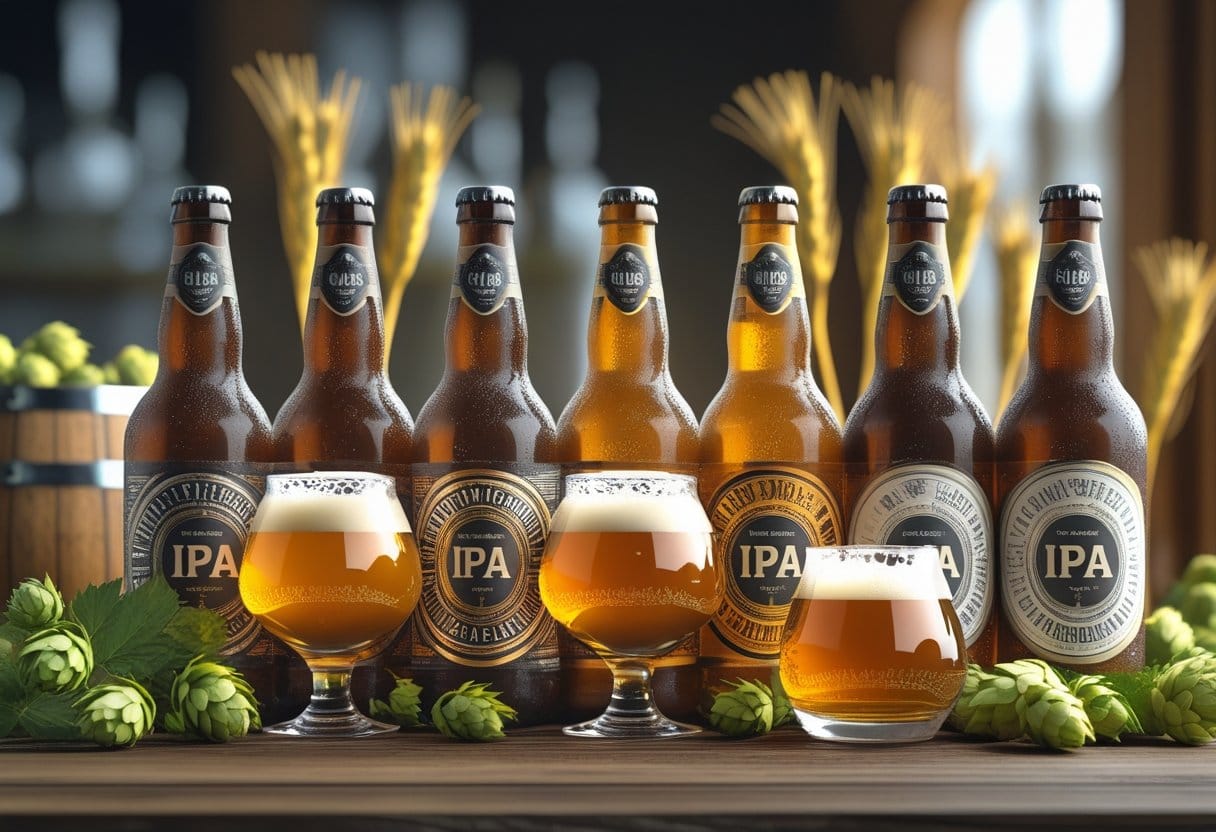
Over time, this style has evolved and diversified. It has gone from cargo shipments for British colonies to modern creations from microbreweries around the world.
Its variations range from light and fruity versions to more intense and resinous variants. This offers a palette of flavours that appeals to both the curious and the passionate.
Discovering IPAs means exploring history, specific ingredients and varied styles. Iconic breweries continue to develop this influential style.
What is an IPA?
India Pale Ale, or IPA, is distinguished by its pronounced use of hops and its marked bitterness. It often has a higher than average alcohol content.
It belongs to the Pale Ale family, but has its own identity linked to its history and taste characteristics.
Historical origins of India Pale Ale
IPA originated in England in the 18th century. Brewers wanted to produce a beer that could withstand long journeys to the British colonies, especially India.
They used a lot of hops, which act as a natural preservative thanks to their antiseptic properties. George Hodgson, a brewer in London, contributed greatly to popularising this style.
Its links with the British East India Company facilitated the export of IPA to Asia. This spread reinforced its association with India, even though the beer remains English.
Industrialisation made it possible to produce lighter malts using coke. This gave rise to pale beers, including IPA.
This change marked a break with the dark and smoky beers that had previously dominated. After a decline in the 19th century, IPA experienced a renaissance at the end of the 20th century thanks to American microbreweries.
Definition and main characteristics
An IPA is a top-fermented beer. The yeast works at higher temperatures, producing more complex aromas.
Its alcohol content is generally between 5% and 7%, sometimes higher for Double IPAs or Triple IPAs. The flavour profile is based on a pronounced bitterness and aromas derived from hops.
Depending on the hops used, there are notes of citrus, tropical fruit, peach, or resinous and floral hints. The colour varies from golden blonde to amber.
The foam is often abundant and persistent. IPA emphasises hops, both for preservation and aroma.
There are several popular sub-styles:
- West Coast IPA: dry, bitter and resinous.
- New England IPA (NEIPA): cloudy, fruity and not very bitter.
- Black IPA: darker, with roasted notes.
Differences between IPA and Pale Ale
India Pale Ale is a type of Pale Ale, but is distinguished by its more intense flavour. Classic Pale Ale has a moderate bitterness and a balance between malt and hops.
IPA has a distinctly hoppy flavour. In terms of alcohol content, pale ale is often between 4% and 5%, while IPA frequently exceeds 6%.
Pale Ale emphasises malt, with notes of biscuit, light caramel or bread. IPA favours the fruity and floral aromas derived from hops.
Thus, Pale Ale remains accessible and balanced. IPA offers a more aromatic and intense version, appreciated by lovers of strong flavours.
The key ingredients of IPAs
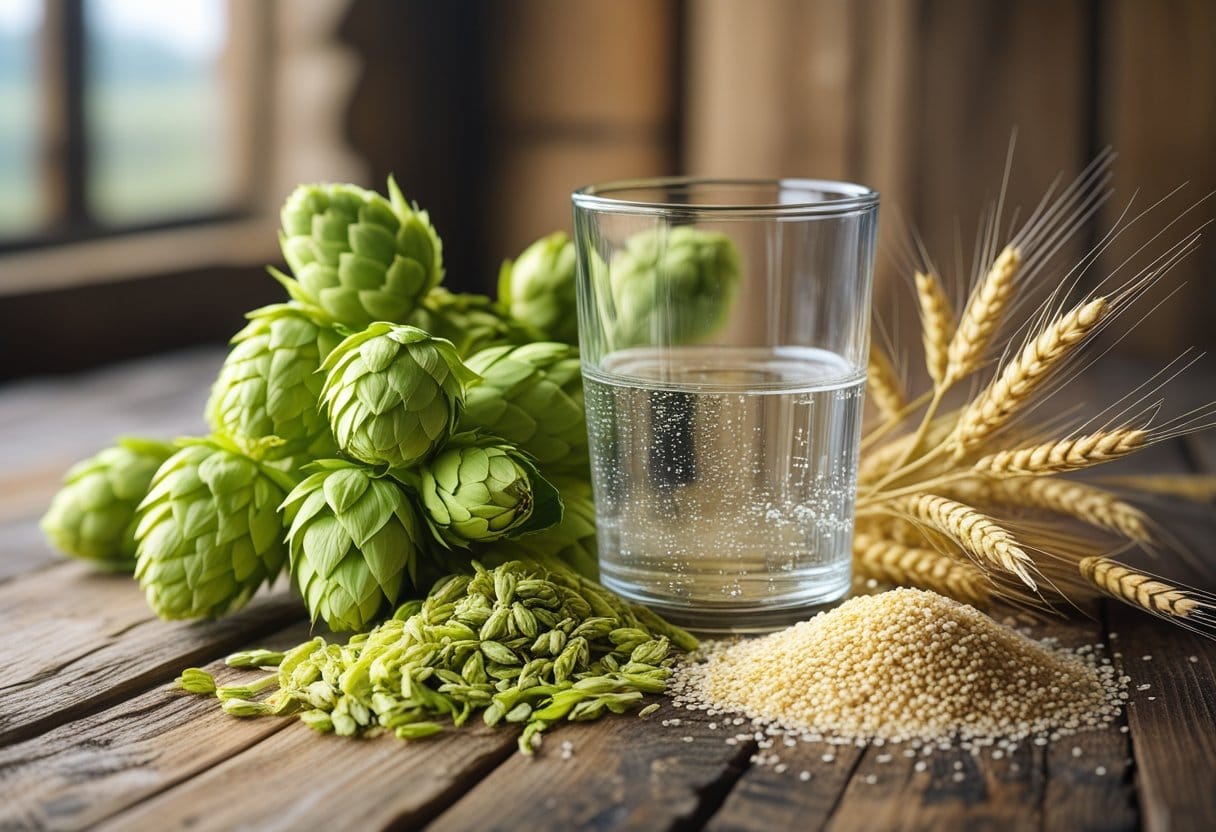
An IPA relies on a precise balance between hops, malt, yeast and water. These elements determine the beer’s taste, bitterness, aroma and texture.
Each ingredient plays a specific role and influences the style and character of the IPA.
The role of hops and their varieties
Hops are the central ingredient in an IPA. They provide bitterness and fruity, floral, resinous or spicy aromas.
The quantity and timing of hop addition during boiling or dry hopping strongly influence the final profile. Certain varieties have become iconic.
Cascade, Citra and Centennial hops are among the most commonly used in modern IPAs. Centennial, sometimes nicknamed “Super Cascade”, combines citrus and floral notes.
Brewers often choose several hops to create aromatic complexity. For example:
- Amarillo → notes of orange and peach
- Simcoe → resinous and fruity aromas
- Mosaic → tropical and herbaceous profile
Hops also serve as a natural preservative thanks to their antibacterial properties.
The importance of malts
Malt provides the fermentable sugars necessary for alcohol production. In an IPA, pale malts are mainly used to create a light, neutral base.
This base highlights the hops. The malts also influence the colour, texture and perceived sweetness of the beer.
A slightly caramelised malt adds a touch of sweetness that balances the bitterness. Here are some types of malts used in IPAs:
- Pale Malt → light and sweet base
- Caramel/Crystal Malt → adds roundness and colour
- Vienna or Munich → add notes of biscuit or bread
A good balance between malt and hops remains essential. Too much malt masks the aromas of the hops, while too light a base results in a beer that is too dry.
Bitterness (IBU) and its impact
The bitterness of an IPA is measured in IBU (International Bitterness Units). A high IBU means a more bitter beer.
The perception also depends on the balance with the malts and the type of hops used. A classic IPA often ranges between 40 and 70 IBU.
Some styles, such as Double IPAs, exceed 80 IBU. New England IPAs sometimes have a moderate IBU but appear less bitter due to their fruity profile and rounder body.
Bitterness provides structure and prevents the beer from being too sweet. Brewers adjust the bitterness by choosing the variety of hops and the timing of their addition.
Yeast and top fermentation
Yeast converts the sugars in malt into alcohol and carbon dioxide. In an IPA, top fermentation (ale fermentation) is used at temperatures of 18 to 22°C.
This process creates fruity and floral aromas. Certain yeast strains, such as US-05, are popular because they ferment cleanly and allow the hops to express themselves.
Other yeasts add esters that complement the aromas of the hops. Yeast also influences clarity and texture.
Properly managed fermentation prevents off-flavours and ensures a stable beer. In New England IPAs, yeasts accentuate cloudiness and enhance juicy flavours.
Mastering fermentation plays a decisive role in the final quality of the beer.
The main styles of IPA
IPA beers come in several styles. They differ in their hop intensity, bitterness level and aromatic profile.
Some styles focus on freshness and lightness. Others favour a marked strength in alcohol and fruity flavours.
American India Pale Ale
American IPA is one of the best known and most widespread styles. It is characterised by moderate to high bitterness and a strong aromatic presence from American hops.
These hops often impart notes of citrus, pine and tropical fruit. The alcohol content generally ranges from 5.5% to 7.5%, with an IBU often between 40 and 70.
This style emphasises a light malty body and a dominant hoppy character. Brewers use a wide variety of American hops such as Cascade, Centennial or Citra.
These varieties give American IPA its lively and aromatic profile. This style appeals to enthusiasts looking for an expressive beer without excessive alcohol content.
West Coast-style Indian Pale Ale
West Coast IPA originated on the west coast of the United States. It is characterised by a very dry and resinous approach.
It highlights bold flavours of pine, resin and citrus. The clean finish leaves little room for the sweetness of malt.
The bitterness level is pronounced, with an IBU between 40 and 70, but balance is achieved through clean fermentation and a light body. The emphasis is on clarity and precision of flavours.
Visually, it is clear and golden. This style appeals to those looking for a crisp, refreshing beer that is very expressive of American hops.
Hazy IPA and New England IPA
Hazy IPA, also known as New England IPA (NEIPA), is distinguished by its cloudy appearance and smooth texture on the palate. It favours fruity and juicy aromas, often reminiscent of tropical fruit juice, rather than pronounced bitterness.
Its IBU is generally lower, often between 20 and 50. It compensates for this with a strong aromatic charge.
Hops are added at the end of brewing or during dry hopping. This technique maximises aromas without overly accentuating bitterness.
The alcohol content varies between 6% and 8%. The mouthfeel is rounder and creamier thanks to the use of wheat or oats.
This style appeals to those looking for a smoother, fruitier, and easier-to-drink IPA.
Variants and sub-styles of IPA
IPAs are not limited to classic versions. Some variations play on aromatic strength, others on colour and malt profile, and some seek to reduce alcohol without sacrificing taste.
Double IPA and Imperial IPA
Double IPA (or Imperial IPA) is distinguished by its higher alcohol content, often between 7.5% and 10%. It uses a lot of hops, which enhances the bitterness and aromas.
On the palate, there are intense flavours of citrus, tropical fruits and pine resin. The malt is also more prominent, adding a sweet note that balances the strength of the hops.
These beers are often served in special glasses such as tulip or snifter glasses to concentrate the aromas. Their rich body and alcoholic warmth appeal to connoisseurs seeking complexity.
Key features:
- Alcohol: 7.5–10%
- IBU: often above 70
- Profile: hoppy, intense, slightly sweet
Black IPA
Black IPA combines the bitterness and hoppy aromas of an IPA with the roasted malts of a dark beer. It has a dark, sometimes opaque colour, but retains the aromatic freshness of hops.
On the nose, there are notes of dark chocolate, coffee and caramel, mixed with aromas of citrus and pine. This duality creates a unique taste experience.
The challenge with this style lies in achieving balance. Too much roasted malt can mask the hops, while too much hops can overwhelm the roasted notes.
When well crafted, a Black IPA offers an aromatic richness that appeals to curious enthusiasts.
Key points:
- Colour: dark brown to black
- Flavours: roasted + hoppy
- Hybrid style, neither stout nor classic IPA
IPA session and other variations
Session IPA is lighter in alcohol, generally between 3% and 5%, while retaining the aromatic intensity of hops. It allows you to enjoy several glasses without feeling heavy or over-alcoholic.
On the palate, it highlights lively notes of citrus and tropical fruits with moderate bitterness. Its lightness makes it thirst-quenching and suitable for convivial occasions.
Other variations exist, such as Triple IPA, which is even stronger than Double IPA, or alcohol-free IPAs, which seek to reproduce the hoppy profile while reducing the alcohol content.
Quick summary:
- IPA Session: 3–5% alcohol, light and hoppy
- Triple IPA: >10%, very intense
- Non-alcoholic IPA: hoppy flavour, less than 0.5% alcohol
Iconic IPAs and must-visit breweries
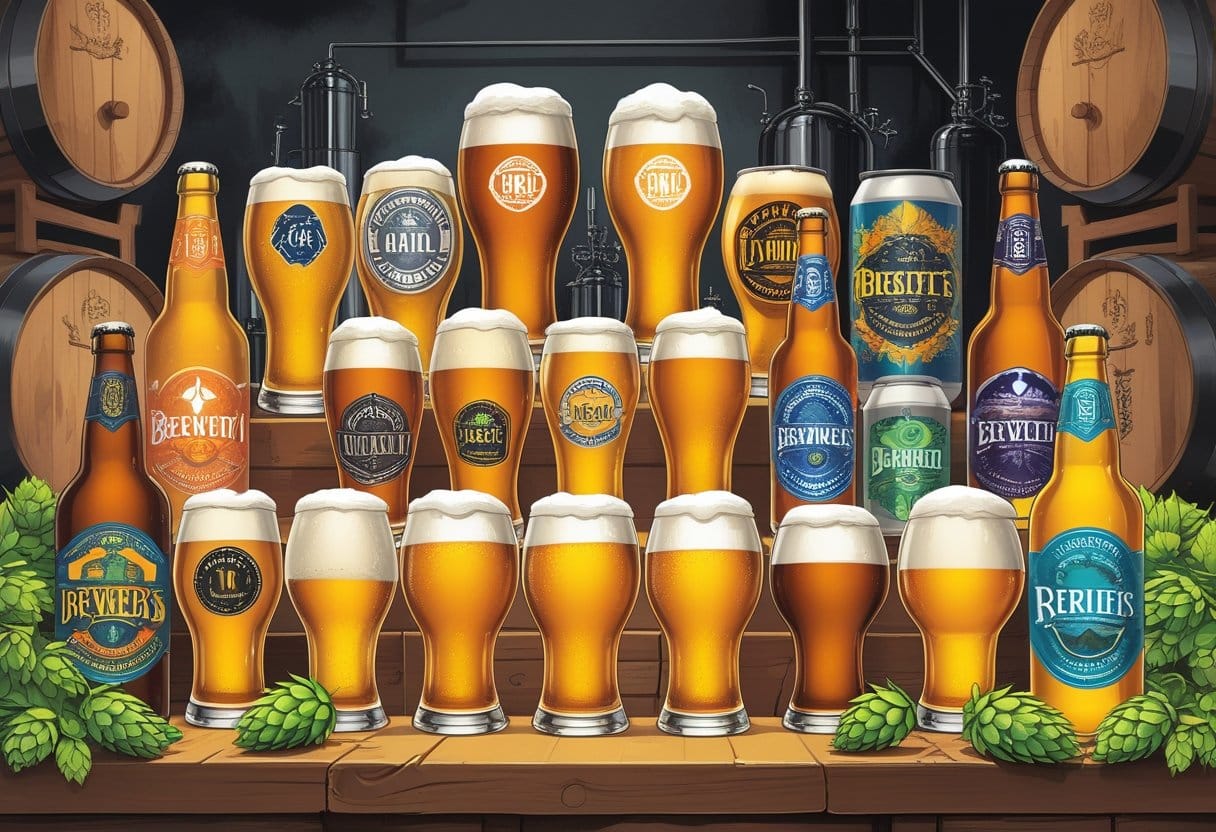
Certain IPAs have made their mark on the history of craft beer through their consistency and influence on the market. They are linked to renowned breweries that have popularised the style among a wide audience.
Dogfish Head 60 Minute IPA
Dogfish Head 60 Minute IPA, brewed in Delaware, is known for its continuous hopping technique. During 60 minutes of boiling, the brewers add hops regularly.
This method produces a balanced bitterness and a stable aromatic profile. It has an alcohol content of around 6% and an IBU of around 60.
The flavour combines resinous, herbaceous and slightly citrus notes. Connoisseurs appreciate its consistency and drinkability.
Key features:
- Alcohol content: ~6%
- IBU: ~60
- Style: American IPA with continuous hopping
Bell’s Two Hearted Ale and the Two Hearted River
Two Hearted Ale from Bell’s Brewery in Michigan is a benchmark for the American IPA style. It takes its name from the Two Hearted River located on the upper peninsula of the state.
This beer uses only Centennial hops, giving it a clear and consistent profile. The dominant flavours are reminiscent of citrus, pine and floral notes.
With around 7% alcohol and a medium body, it strikes a balance between bitterness and malty sweetness.
Notable points:
- Origin: Michigan, United States
- Hops: Centennial only
- Flavours: citrus, pine, floral
Lagunitas IPA
Lagunitas IPA, brewed in California, is one of the most widely distributed IPAs in the United States. It has played an important role in democratising the style internationally.
Its aromatic profile is based on a combination of American hops that bring notes of light caramel, citrus and pine. With around 6.2% alcohol, it is distinguished by a marked balance between malt and hops.
It is often described as a ‘classic’ West Coast IPA, easy to find and representative of this style.
Key features:
- Alcohol content: ~6.2%
- Style: West Coast IPA
- Flavours: sweet malt, citrus, pine
Aromatic profile and tasting notes for IPAs
IPA beers are distinguished by their high hop content, which gives them complex aromas and a pronounced bitterness. When tasting them, it is important to pay attention to the fruity notes, the texture in the mouth and the serving conditions that bring out these characteristics.
Fruity notes: citrus, grapefruit, exotic fruits
The hops used in IPAs often give off citrus aromas. Grapefruit is a common flavour, adding a tangy note that balances the bitterness.
There are also notes of orange, lemon and mandarin. Certain styles, such as New England IPAs, develop sweeter, more tropical flavours.
Mango, papaya and pineapple are common examples. These fruity profiles make beer more accessible to craft beer enthusiasts.
This contrast between exotic fruits and citrus gives IPAs a distinct sensory identity. Depending on the hops chosen, the palette ranges from resinous scents to floral aromas.
Mouthfeel and balance
The texture of an IPA depends on the style and recipe. Some are dry and very bitter, such as West Coast IPAs.
Others offer a rounder, juicier sensation. Bitterness remains a central element and must blend with the fruity flavours to maintain balance.
A good IPA combines aromatic intensity and drinkability. The alcohol content also plays a role.
A stronger IPA can bring warmth to the palate, while a lighter version highlights the freshness of the hops. This balance between bitterness, aromas and texture defines the quality of the tasting experience.
Tips for optimal tasting
Temperature directly influences the perception of aromas. Serve an IPA between 6 and 10 °C to release the fruity notes without masking the nuances by excessive cold.
The choice of glass also plays an important role. A tulip glass or snifter concentrates the aromas and promotes better aeration. This allows you to perceive the aromatic details from the very first sniff.
Take the time to observe the colour, then smell before tasting. Slow tasting reveals the evolution of flavours as the beer aerates.
Pairings with spicy dishes or strong cheeses highlight the bitterness and richness of the hops.
Food pairings with IPA: what actually works
IPA bitterness cuts through fat and resets the palate between bites — that’s the main reason they pair well with food. A dry, resinous West Coast IPA stands up to spicy dishes (tacos, Thai curry): the hop bitterness meets the heat without killing it. A soft, low-bitterness NEIPA works better with grilled fish, light salads, or soft-ripened cheese.
Double IPAs (8%+) can handle bold flavors: aged hard cheeses, charcuterie, braised meats. Avoid pairing them with delicate dishes — the hop presence will overwhelm subtlety. Session IPAs (under 4.5% ABV) are ideal aperitif beers: aromatic enough to hold attention, light enough not to fatigue the palate.
Ideal serving temperature: 44–50°F (7–10°C) for West Coast and Session IPAs, 50–55°F (10–13°C) for NEIPAs and Double IPAs. Too cold and the aroma disappears; too warm and bitterness turns harsh.
How to read an IPA label
IBU (International Bitterness Units) measures the concentration of bittering compounds — not the perceived bitterness, which also depends on residual sweetness, carbonation and alcohol. A NEIPA at 60 IBU can taste less bitter than a West Coast at 45 IBU. ABV matters too: higher alcohol amplifies hop presence. If you want a starting point, look for IBU under 50 and ABV under 6% for an accessible entry point into the style.
📊 IPA substyles and their characteristics
| IPA substyle | Typical ABV | Typical IBU | Signature hops |
|---|---|---|---|
| American IPA | 5.5 – 7.5% | 40-70 IBU | Cascade, Centennial, Simcoe, Citra |
| New England IPA (NEIPA / Hazy) | 6 – 8% | 30-50 IBU | Citra, Mosaic, Galaxy, Nelson Sauvin |
| Double IPA (DIPA / Imperial) | 7.5 – 10% | 60-100 IBU | All American varieties |
| West Coast IPA | 6 – 7.5% | 50-80 IBU | Cascade, Centennial, Chinook, Simcoe |
| English IPA (Traditional) | 5 – 7% | 40-60 IBU | East Kent Goldings, Fuggles, Target |
| Session IPA | 3.5 – 5% | 40-60 IBU | Citra, Amarillo, Mosaic |
| Black IPA / Cascadian Dark Ale | 6 – 8% | 50-80 IBU | Simcoe, Cascade + roasted malts |
| Brut IPA | 6 – 7.5% | 20-40 IBU | Tropical hops (Citra, Mosaic) |
| Milkshake IPA | 6 – 8% | 30-50 IBU | Citra, Mosaic + lactose + fruit |
Frequently Asked Questions
What sets an IPA apart from a classic lager?
IPA (India Pale Ale) is defined by heavy hopping that creates three markers: (1) high bitterness (40-100 IBU vs 15-25 for lagers), (2) intense fruity and resinous aromas (citrus, passion fruit, pine, mango), (3) higher ABV (5.5-8% vs 4.5-5%). A lager balances malt and hops; an IPA pushes hops to the forefront.
What’s the difference between IPA and NEIPA?
NEIPA (New England IPA, also called Hazy IPA) is visually cloudy, low in perceived bitterness despite heavy hopping, and explosively fruity. Classic American IPA (West Coast) is clear, amber, strongly bitter and resinous. It’s all about hop timing: late additions (whirlpool, dry hop) for NEIPA = aromas; early additions (bittering) for WCIPA = bitterness.
Which hops to recognise in an IPA?
American varieties dominate: Cascade (grapefruit), Citra (mango, lime), Mosaic (blueberry, mango), Simcoe (resin, pine), Centennial (citrus), Chinook (resin), Galaxy (Australian, passion fruit), Nelson Sauvin (NZ, Sauvignon grape). English hops (East Kent Goldings, Fuggles) are more earthy and floral.
What to pair with an IPA?
IPA bitterness and intense aromas call for bold, fatty dishes: burgers, spicy chicken wings, Indian cuisine (curry, biryani), al pastor tacos, aged cheeses (sharp cheddar, blue). A Double IPA works well with smoked steak. Avoid delicate dishes — the IPA will crush their flavours.
At what temperature should I serve an IPA?
Between 7-10 °C (45-50 °F). Too cold (5 °C / 41 °F), the IPA loses its hop aromas. Too warm (>12 °C / 54 °F), bitterness becomes aggressive. Serve NEIPAs slightly cooler (6-8 °C / 43-46 °F) to preserve fruity character, and Imperial IPAs a bit warmer (9-11 °C / 48-52 °F).
🍻 Explore our beers
Over 1,000 craft beers listed, with a comparator and nutritional info.
Browse the full catalogue →